

Furnishing a Small Living Room Is a Different Puzzle
A small living room or apartment isn't just a scaled-down version of a larger space — the rules that make a room feel comfortable, rather than cramped, are a little different. Sofa choice is usually the biggest factor, since it's typically the largest single piece of furniture in the room. Here's how to think through the decision.
Measure Before You Fall in Love with a Style
It's worth measuring your space carefully before shopping, including the width of doorways and hallways the sofa needs to pass through, not just the floor space it will occupy. Apartment buildings in particular can have narrow stairwells or tight elevator dimensions, so double-check those measurements alongside the room itself. Many sofa styles come in modular pieces specifically to make this easier — something worth asking about if your entryway is tight.
Consider a Loveseat or Apartment-Size Sofa
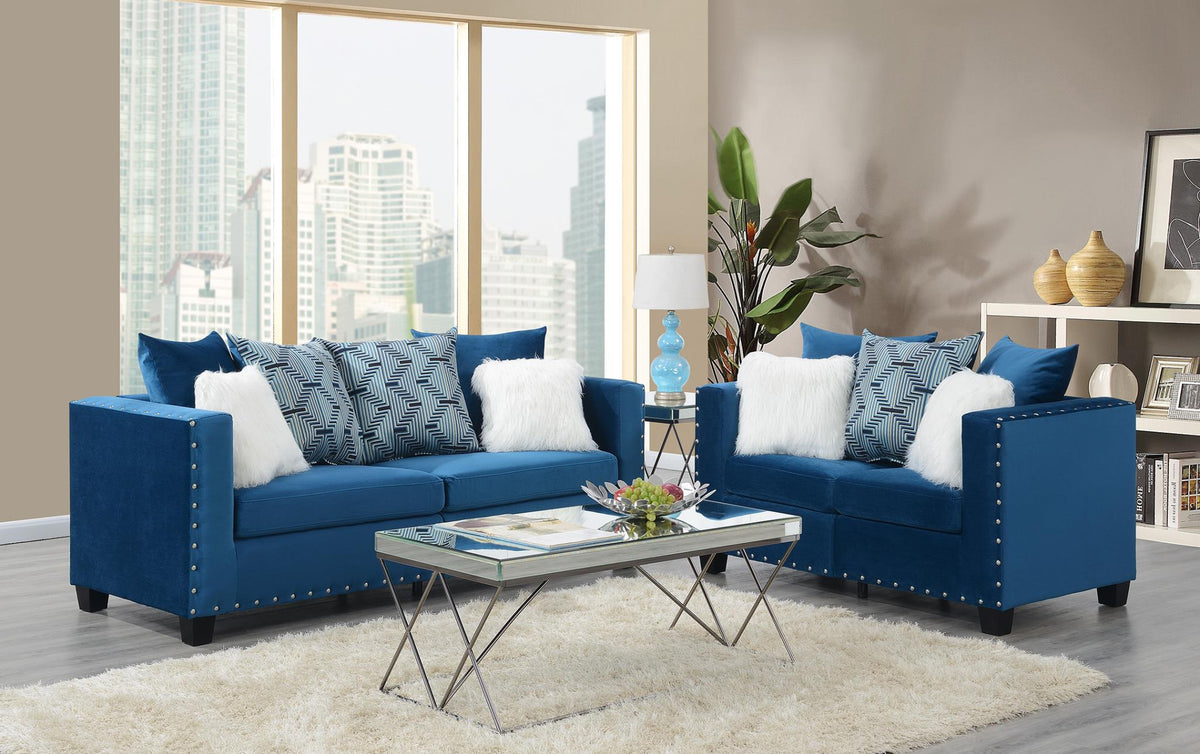
A loveseat is generally the easiest way to fit comfortable, upholstered seating into a smaller room. It typically seats two comfortably and takes up meaningfully less floor space than a full-size sofa, which can make a real difference in a compact living room. If you need seating for more people, pairing a loveseat with one or two accent chairs often uses space more efficiently than a single large sofa, since the individual pieces can be arranged to fit the room's specific shape.
Apartment-size or "condo" sofas are another option worth looking for — they offer the look and comfort of a full sofa in a slightly narrower footprint, generally a few inches shorter than a standard three-seat sofa.
Look for Legs, Not a Skirted Base
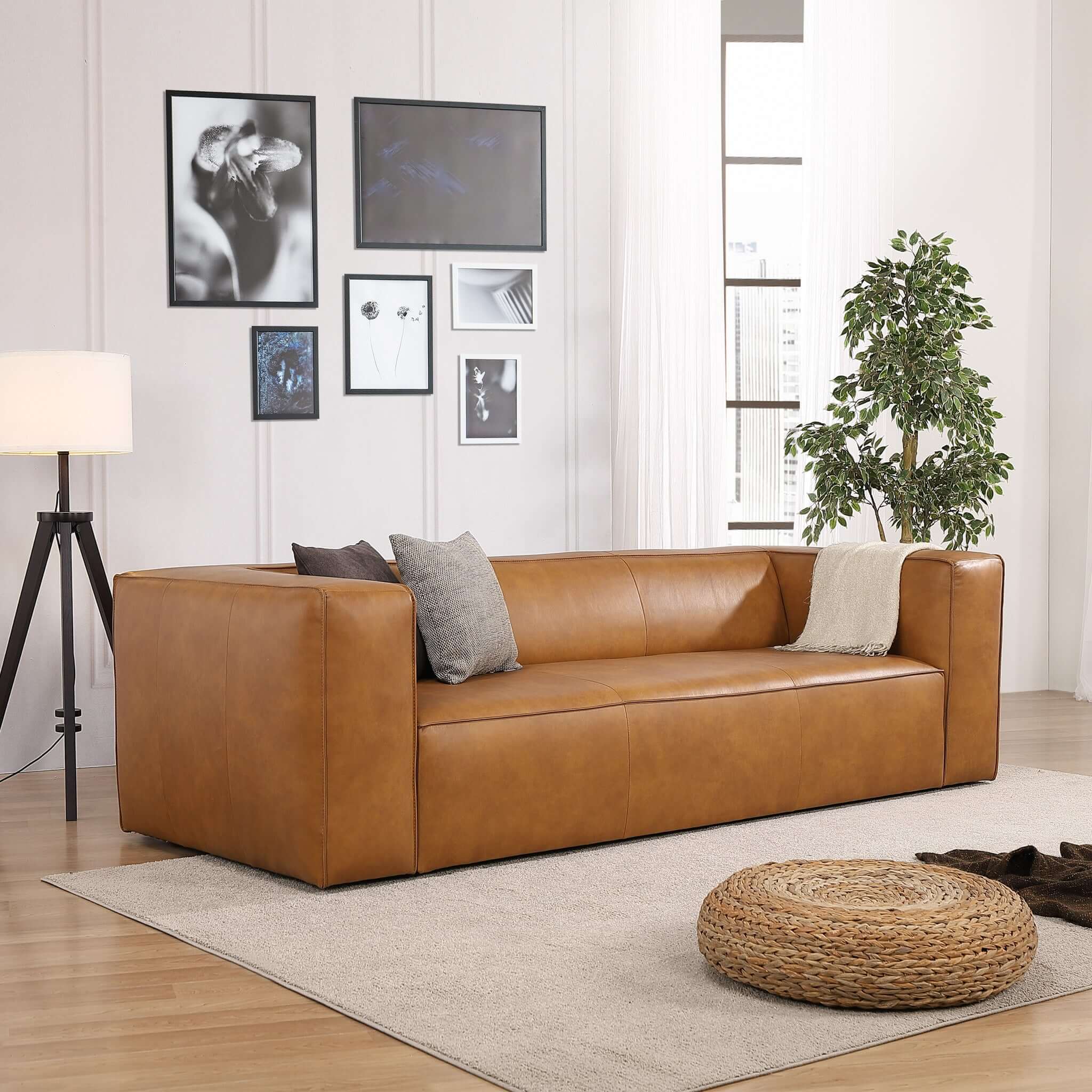
Sofas with visible legs, rather than a solid skirt that runs to the floor, tend to make a small room feel more open. That's because you can see floor space underneath and around the sofa, which visually "lightens" the piece even though its actual footprint hasn't changed. This is a simple, no-cost detail to look for that makes a bigger visual difference than people often expect.
Lighter Colors Help a Small Room Breathe
Light, neutral upholstery colors — soft grays, creams, and warm beiges — tend to make a small room feel more open than dark colors, which can visually shrink a space by absorbing light. This doesn't mean you have to avoid color altogether; a lighter base sofa paired with a patterned throw pillow or two still lets you bring in personality without weighing the whole room down visually.
Modular Pieces Give You Flexibility
A small modular sectional can be a smart choice for an apartment, since individual pieces can be rearranged as your needs change or if you move to a different-shaped room down the line. Some modular designs let you start with just a two- or three-piece configuration and add sections later, which is a practical way to furnish a small space now without ruling out a bigger arrangement in the future.
Don't Skip the Ottoman
An ottoman can double as extra seating, a footrest, or an impromptu coffee table, which makes it one of the more flexible pieces you can add to a small living room. Look for one with a tray top or a lightweight design that's easy to move around as your needs shift throughout the day.
Don't Forget Scale on Everything Else
Once the sofa is settled, keep the rest of the room's furniture in proportion. Oversized accent chairs or a bulky coffee table can undo the space-conscious choices you made with the sofa. Choosing furniture with a similar visual weight throughout the room — legs versus skirts, light versus dark, low-profile versus tall — helps everything feel cohesive rather than mismatched.
Use Vertical Space and Multi-Purpose Pieces
When floor space is limited, look up. Wall-mounted shelving or a tall, narrow bookcase stores books and decor without taking up walking room the way a wide, low console would. Furniture that pulls double duty is especially valuable in a small space — a storage bench that also seats guests, a console table that can slide against the wall when not needed, or nesting tables that separate for extra surface area only when company comes over. The goal is to make each square foot do more than one job wherever possible.
Mirrors and Lighting Can Help Too
While not furniture in the strictest sense, a well-placed mirror can make a small living room feel noticeably larger by reflecting light and views across the room. Similarly, relying on a few smaller lamps placed around the room, rather than one single overhead fixture, tends to create a softer, more open feeling than a single harsh light source overhead. These details won't replace good furniture choices, but they support the same goal of making a small space feel comfortable rather than cramped.
Arranging What You Have More Efficiently
Sometimes the biggest improvement in a small living room doesn't come from buying anything new at all, but from rethinking how the current furniture is arranged. Floating a sofa slightly away from the wall, rather than pushing every piece flush against it, can sometimes make a room feel more intentional, even though it seems counterintuitive to give up floor space. Angling a chair into a corner, rather than lining every piece up in a straight row, can also help a small room feel a little less like a waiting area and more like a lived-in space. It's worth experimenting with a couple of different layouts before assuming new furniture is the only path to a better-feeling room.
A Quick Checklist for Small-Space Seating
- Measure doorways and hallways, not just the room itself.
- Consider a loveseat or apartment-size sofa instead of a standard three-seat sofa.
- Look for exposed legs rather than a floor-length skirt.
- Lean toward lighter upholstery colors to keep the room feeling open.
- Consider modular pieces if your needs or space might change.
- Look for multi-purpose pieces that can do more than one job.
Shop the Look
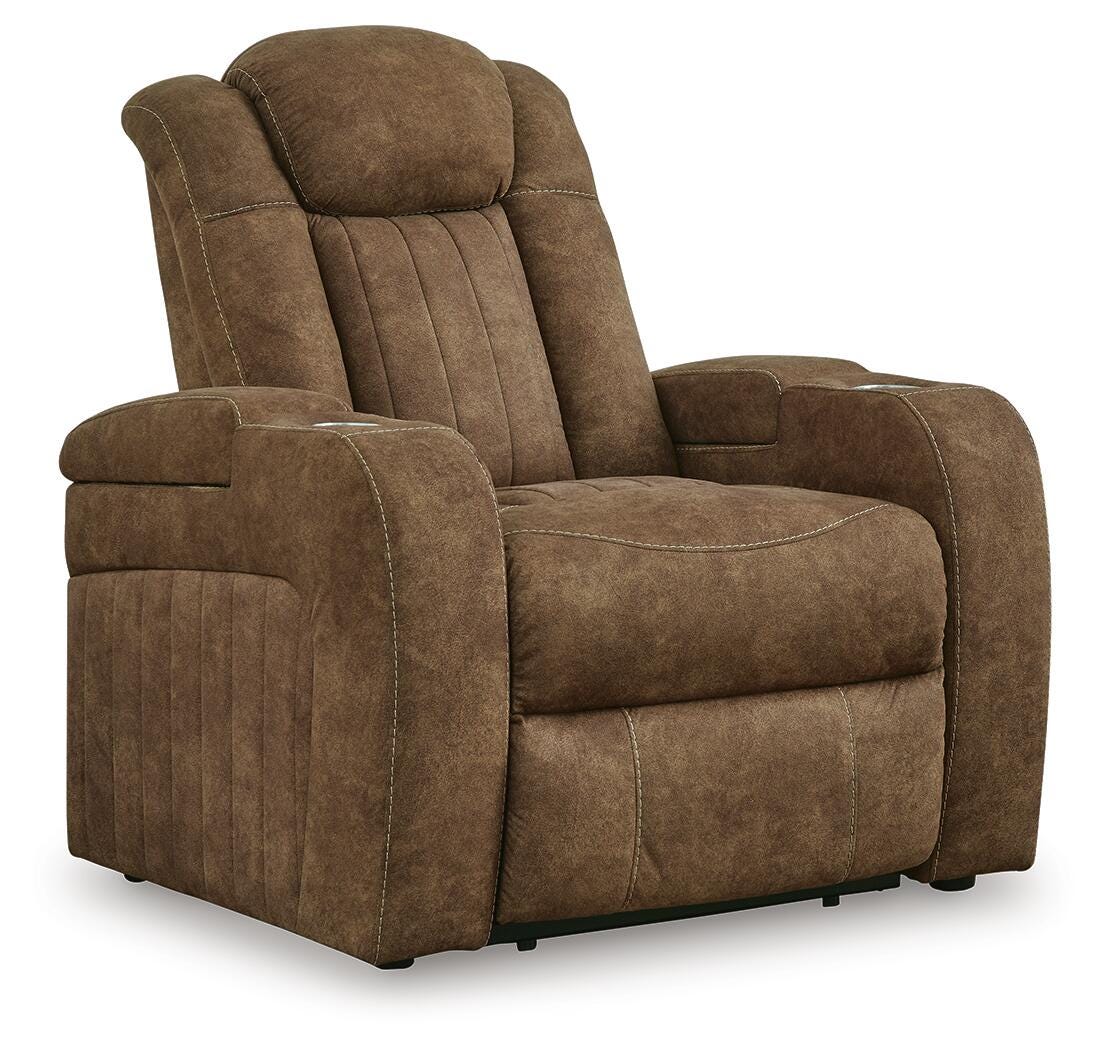
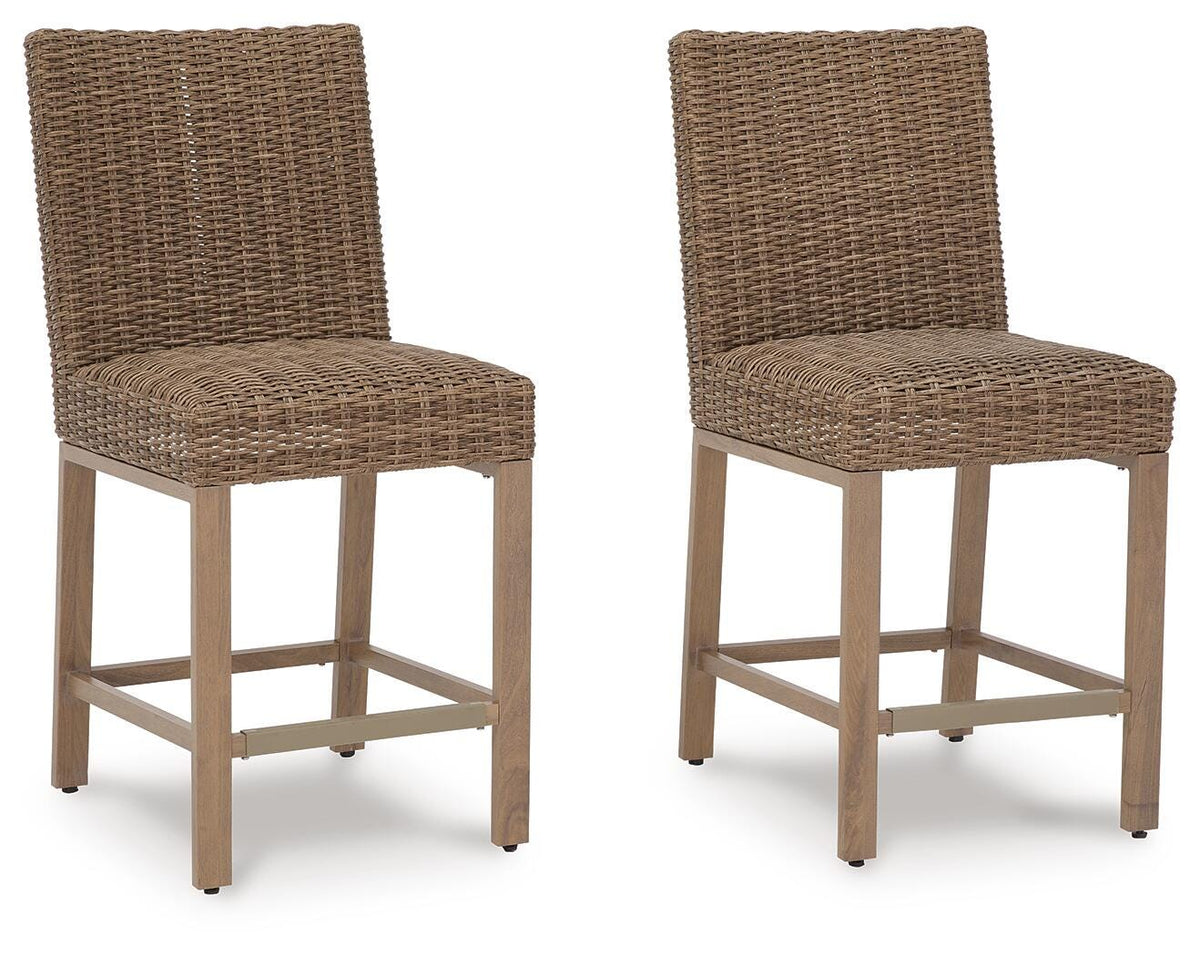
Browse our loveseats and small-footprint modular sectionals, and round out the room with a versatile ottoman.

Leave a comment
All comments are moderated before being published.
This site is protected by hCaptcha and the hCaptcha Privacy Policy and Terms of Service apply.