


The Core Difference
Both recliners and power recliners do the same basic job — they let you lean back and often extend a footrest for a more relaxed seating position. The difference is in how that motion happens. A manual recliner uses a side lever or a push-back mechanism you operate with your own body weight. A power recliner uses a small motor, controlled by a button or remote, to move the seat and footrest for you. That single difference leads to a handful of practical trade-offs worth thinking through before you buy.
Manual Recliners: Simple and Self-Contained
A manual recliner typically uses a side-mounted lever that you pull to release the footrest, then lean back to recline. Some styles use a "push-back" mechanism instead, where leaning your body weight against the backrest is enough to recline without a separate lever. Because there's no motor or wiring involved, manual recliners don't need to be near an outlet, which makes them easier to place in the middle of a room or in a spot where running a cord isn't practical.
Manual mechanisms also have fewer parts that can eventually wear out, since there's no motor, wiring, or control unit involved — just a mechanical lever system. That said, the lever action requires a bit more physical effort, which is worth considering for anyone who finds pulling a side lever or shifting their weight to recline physically difficult.
Power Recliners: Convenience at the Push of a Button
A power recliner moves the seat back and footrest using a small motor, operated with a button or a plug-in remote, often built into the side of the chair. This makes reclining effortless — useful for anyone who finds manual levers awkward, or who simply prefers the convenience of a smooth, motorized motion. Many power recliners also offer more precise, in-between positions rather than the few fixed positions typical of manual designs, since you can stop the motor at any point along its range.
The trade-off is that a power recliner needs to be within reach of a standard electrical outlet, so placement is a bit more constrained than with a manual chair. It's worth planning the outlet location before you finalize where the recliner will sit, especially in a room without an outlet conveniently near the wall you had in mind.
Wall Clearance: A Detail Worth Checking Either Way
Both manual and power recliners need clearance behind them to recline fully, unless the specific model is designed as a "wall-hugger." Wall-hugger recliners use a sliding mechanism that lets the chair recline with just a few inches of clearance from the wall, which is especially useful in smaller rooms or apartments where a few extra feet of open floor space isn't available. If wall clearance is tight in your room, look specifically for a wall-hugger design rather than assuming any recliner will work close to a wall.
Maintenance and Long-Term Considerations
Manual recliners are generally simpler to maintain since there's no motor or electronics involved — the main wear point is the mechanical lever system itself. Power recliners have more components, including the motor, wiring, and control unit, which means there's slightly more that could eventually need attention over the years of ownership. Neither is inherently unreliable, but it's a reasonable factor to weigh if simplicity is a priority for you.
Which One Fits Your Household?
- Choose manual if: you want the simplest possible mechanism, don't want to plan around outlet placement, or are furnishing a room where running a cord isn't convenient.
- Choose power if: ease of use matters most, you'd like customizable in-between positions, or you're setting up a dedicated media or theater-style seating area where an outlet is already planned.
- Consider a wall-hugger version of either mechanism if your room doesn't have much clearance behind the chair.
Beyond the Mechanism: Matching the Chair to the Room
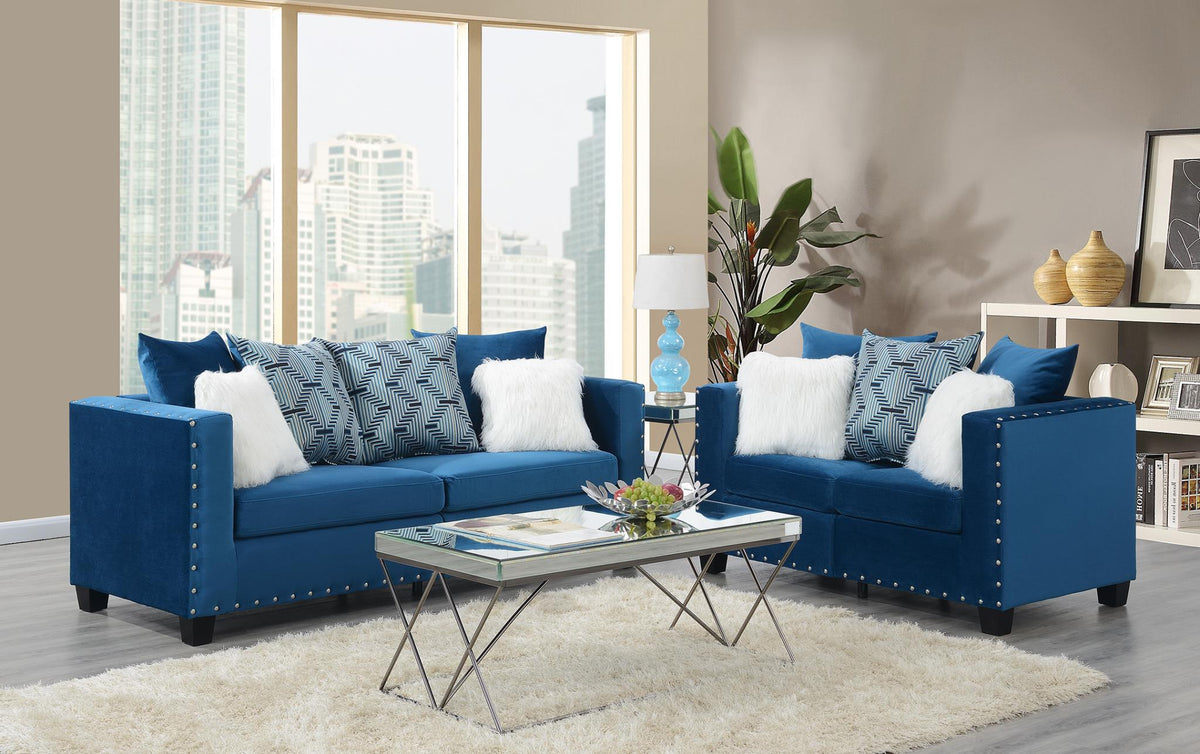
Once you've settled on manual or power, think about how the recliner fits into the rest of your seating. A single recliner can work as an accent piece alongside a sofa, while a power reclining loveseat or a full reclining sofa extends the same comfort to more seats at once. If you're building out a full living room seating arrangement, it's worth deciding early whether you want every seat to recline or just one or two accent chairs.
Fabric and Cover Considerations
Recliners see a lot of contact and movement, so upholstery choice matters more here than it might for a piece that's sat on less often. A durable, tightly woven fabric or a performance-treated material tends to hold up well against everyday use, especially in a household with kids or pets. Leather and faux leather options are generally easy to wipe down, which can be a practical consideration for a recliner that's used daily. If you're choosing between fabric swatches, it's worth asking about abrasion ratings or simply going with a slightly heavier-weight fabric, since recliners tend to see more friction at the arms and headrest than a stationary sofa does.
Remote and Control Placement for Power Recliners
If you go with a power recliner, take a moment to think about where the control and cord will sit once the chair is in place. Some designs tuck the control into the side of the seat, while others use a separate handheld remote that can get misplaced in couch cushions. Either way, plan the cord path so it isn't a tripping hazard, and confirm the cord length reaches your nearest outlet comfortably without stretching or requiring an extension cord across a walkway.
Shop the Look
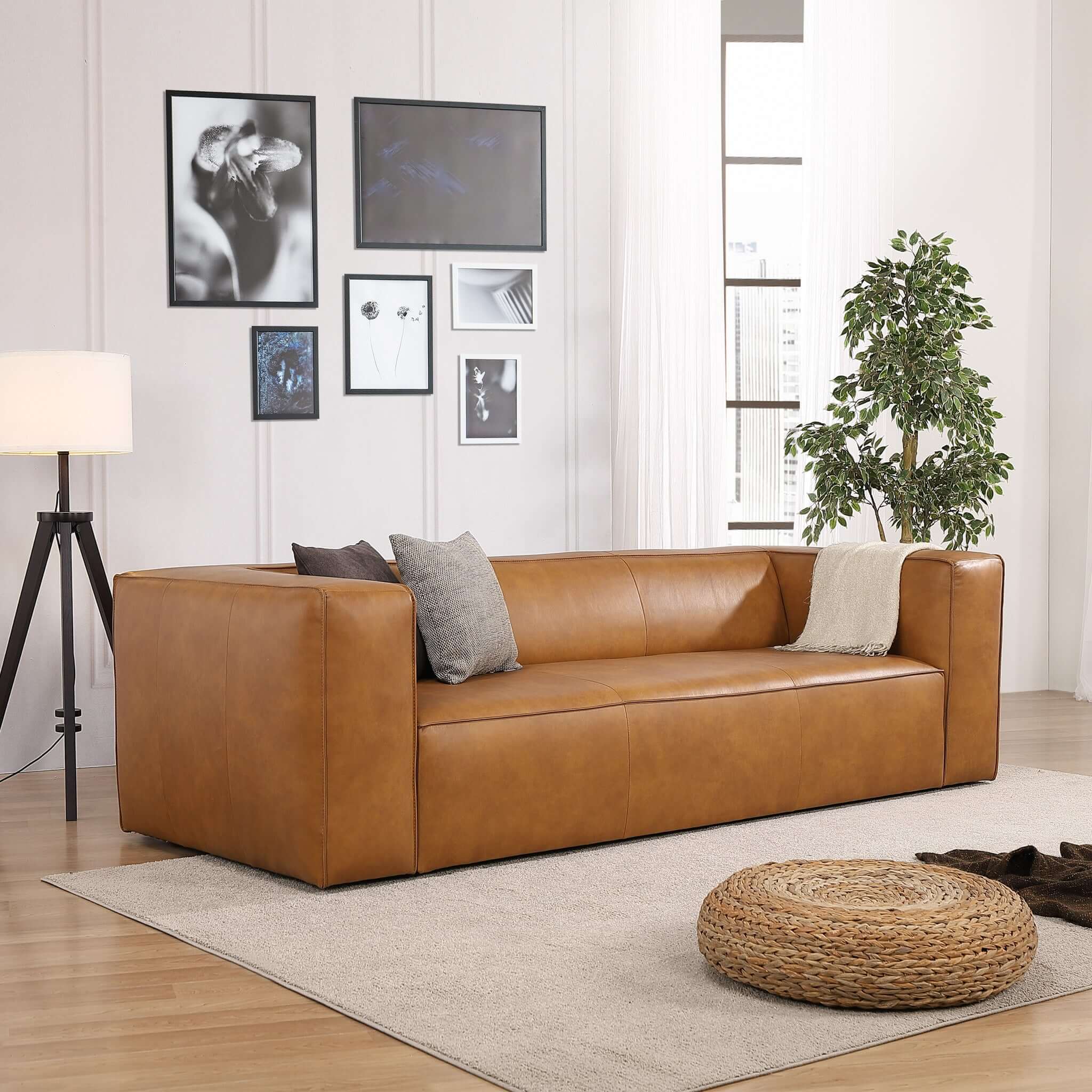
Browse our power recliners and manual recliners side by side, or explore reclining sofas for a full seating solution.

Leave a comment
All comments are moderated before being published.
This site is protected by hCaptcha and the hCaptcha Privacy Policy and Terms of Service apply.