

Outdoor Furniture Care Starts with Knowing Your Materials
Furniture built for a patio, deck, or backyard has to handle sun, rain, and temperature swings that indoor pieces never see. The good news is that most outdoor furniture, from a full outdoor sofa to a simple set of outdoor chairs, is designed with that in mind, but different materials still need different care to hold up well over time. Here's a breakdown by material, plus a few general habits that apply across the board.
Aluminum
Aluminum is a popular choice for outdoor frames because it resists rust, unlike untreated steel or iron, and it's relatively lightweight. To keep it looking good, rinse off dust, pollen, and debris regularly with a garden hose, and wash periodically with mild soap and water using a soft cloth or sponge. Avoid abrasive scouring pads, which can scratch the powder-coated or painted finish and leave the metal underneath more exposed to the elements. If you notice a small chip in the finish, it's worth touching it up sooner rather than later to prevent moisture from getting underneath the coating.
Wicker and Rattan
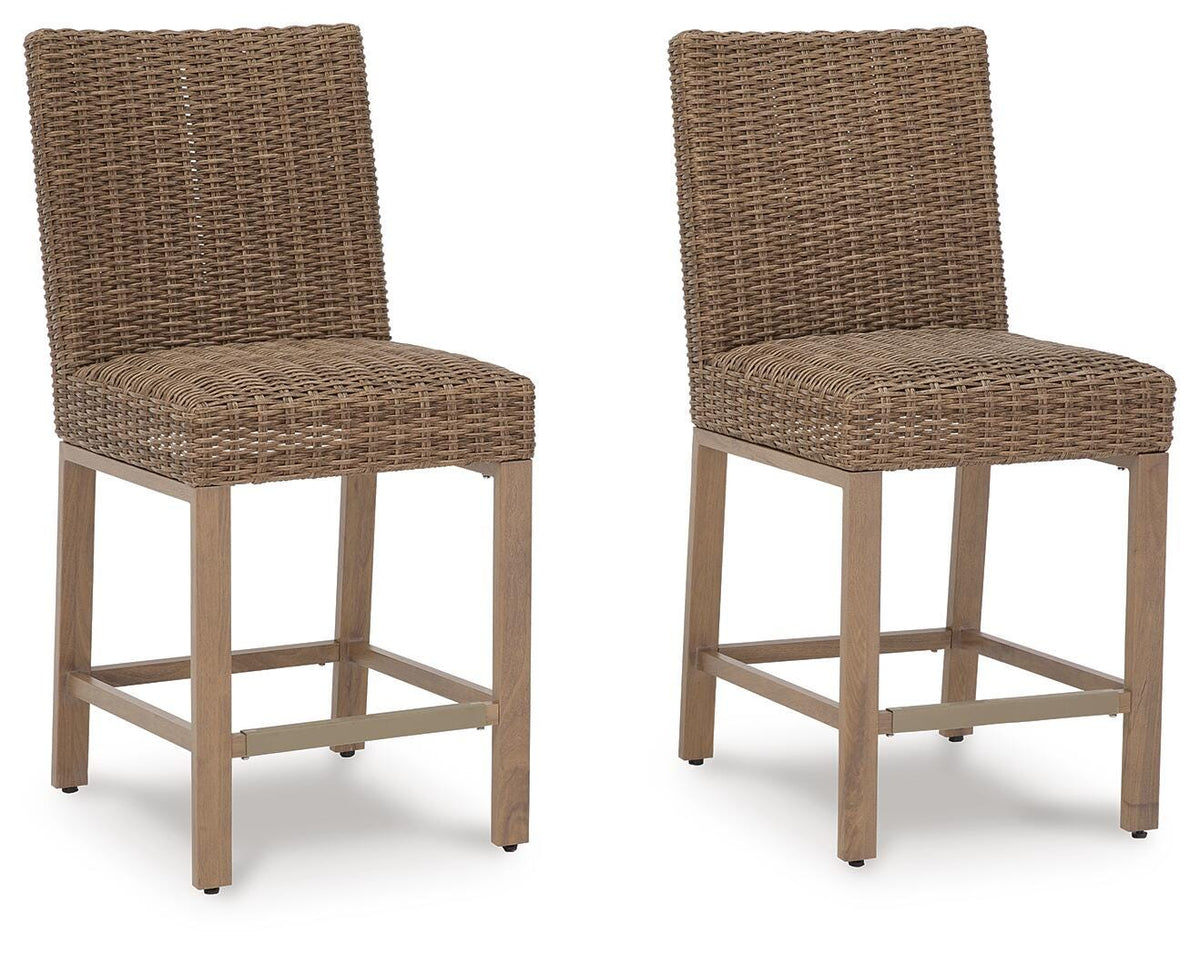
Most modern outdoor wicker is actually synthetic resin wicker, engineered to resist fading and moisture better than natural rattan. Even so, regular care helps it last. Dust with a soft brush or vacuum attachment to get into the weave, then wipe down with a solution of mild soap and water. Rinse thoroughly and let the piece air dry completely before adding cushions back, since trapped moisture in the weave can lead to mildew over time. If your furniture uses natural rattan rather than synthetic resin, it generally needs more protection from direct sun and rain — check the manufacturer's specific care instructions, since natural rattan is more moisture-sensitive than its synthetic counterpart.
Acacia and Teak Wood
Both acacia and teak are popular outdoor wood choices because of their natural density and resistance to moisture, but they still benefit from routine care. Clean with a soft brush, mild soap, and water, always scrubbing in the direction of the wood grain. Over time, both woods will naturally weather to a soft gray patina if left untreated — a look many people like — but if you prefer to maintain the original warmer wood tone, an occasional application of a teak or acacia-specific sealant or oil can help slow that fading process. Whichever look you prefer, avoid harsh chemical cleaners, which can strip natural oils from the wood and cause it to dry out or crack prematurely.
Cushions and Outdoor Fabric
Most outdoor cushions today use fabric designed to resist fading and moisture better than standard indoor upholstery, but they still need attention. Brush off loose dirt and debris regularly, and spot clean spills as soon as they happen rather than letting them set in. For a deeper clean, mild soap and water applied with a soft brush works well for most outdoor fabrics — check any care tag for specific guidance, since fabrics vary. Let cushions dry fully in the sun before storing or reassembling the furniture, since trapped moisture inside the foam can lead to mildew that's difficult to remove afterward.
Where possible, bring cushions inside or into a storage bin during extended rain or when the furniture won't be used for a while. Even fade- and moisture-resistant fabrics last longer with a bit of extra protection from constant sun and dampness.
General Habits That Help Everything Last Longer
- Clean furniture on a regular schedule rather than waiting until it looks visibly dirty.
- Rinse off salt air residue if you're near the coast, since salt can accelerate wear on metal finishes.
- Use furniture covers during storms or when pieces will sit unused for stretches of time.
- Check and tighten any hardware periodically, since outdoor conditions can loosen screws and bolts over a season.
- Address small issues, like a loose weave strand or a chip in a finish, before they become bigger repairs.
Storing Furniture for Winter
If you experience a cold winter season, it's generally worth storing outdoor furniture in a garage, shed, or covered space rather than leaving it exposed to snow and freezing temperatures all season. Clean and fully dry each piece before storing to avoid trapping moisture, and store cushions somewhere dry to prevent mildew. For furniture that has to stay outside over winter, a well-fitted, breathable cover offers meaningfully more protection than leaving pieces fully exposed, though it's still a good idea to brush off heavy snow accumulation rather than letting it sit for extended periods.
Before storing larger pieces like an outdoor dining table or a set of outdoor chairs, check for any hardware that should be removed or protected, and consider stacking chairs carefully to avoid unnecessary weight resting on any single joint over months of storage. Taking a few photos of how furniture is arranged before disassembly can also make reassembly easier once warmer weather returns.
Setting Up for Next Season
When you bring furniture back out in spring, give everything a full inspection before use — check for loose hardware, cracks in wood pieces, or any signs of rust on metal frames that may have developed even in storage. A fresh clean at the start of the season, following the same material-specific steps above, sets your outdoor tables and seating up for another season of consistent use.
Shop the Look
Browse our outdoor sofas and outdoor chairs, or explore outdoor tables to round out your patio setup.



Leave a comment
All comments are moderated before being published.
This site is protected by hCaptcha and the hCaptcha Privacy Policy and Terms of Service apply.