

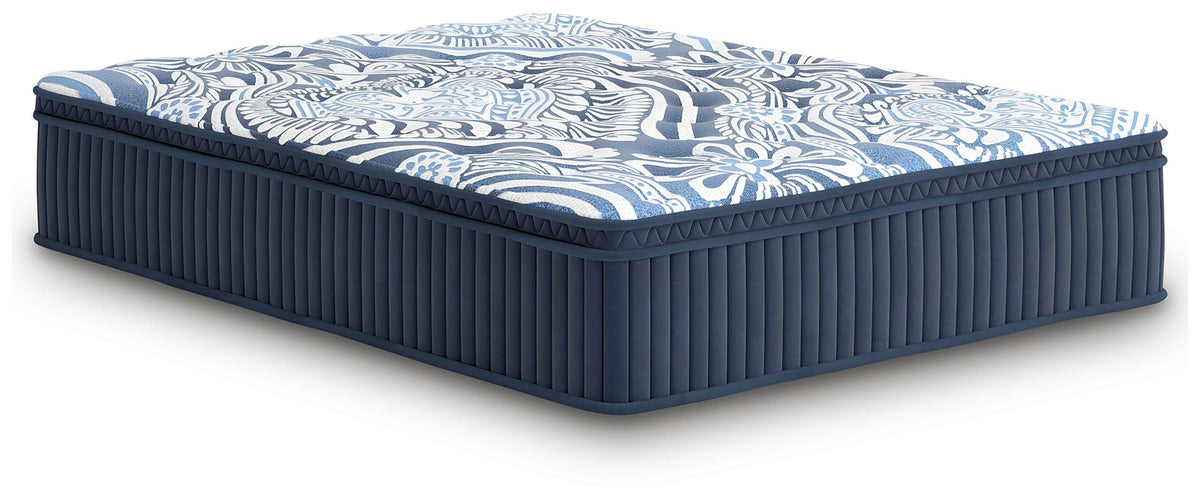
Start With How You Actually Sleep
Choosing a mattress can feel overwhelming because there are so many types, firmness levels, and marketing terms thrown around. The good news is that a few practical factors — your typical sleep position, your firmness preference, and your bed size — narrow the choices down quickly. This guide walks through the main things worth thinking about before you buy.
Firmness: What the Scale Actually Means
Mattress firmness is usually described on a soft-to-firm scale, and while brands vary a little in how they label it, the general idea holds across most options:
- Soft to medium-soft: more cushioning and contouring, often preferred by side sleepers and lighter-weight individuals.
- Medium: a balance of support and cushioning that many people find comfortable regardless of sleep position, which is why it's often the most popular middle-ground choice.
- Medium-firm to firm: more support and less sinking-in feeling, often preferred by back and stomach sleepers, and by heavier individuals who want more push-back from the mattress.
Firmness is genuinely personal, and there's no single "correct" answer — it comes down to your body and your preferences. If you're shopping for two people with different preferences, a mattress in the medium range is generally the most reasonable compromise.
Match Firmness to Sleep Position
Side Sleepers
Side sleepers tend to do well with a softer to medium mattress, since more cushioning at the shoulders and hips can help the spine stay in a more neutral position. A mattress that's too firm can create pressure points at these areas for side sleepers.
Back Sleepers
Back sleepers generally do well with a medium to medium-firm mattress, which many people find offers a helpful balance of support along the length of the spine while still providing some cushioning.
Stomach Sleepers
Stomach sleepers often prefer a firmer mattress, since a softer surface can allow the hips to sink lower than the shoulders, which many stomach sleepers find less comfortable over a full night.
Keep in mind that many people shift positions throughout the night, so think about where you spend the most time rather than trying to solve for every possible position.
Memory Foam vs. Hybrid: What's the Difference?
Memory Foam
Memory foam mattresses are made from layers of foam that contour closely to the body. Many people find this contouring comfortable and describe it as feeling like the mattress "hugs" the body. Foam mattresses also tend to isolate motion well, meaning movement on one side of the bed is less likely to be felt on the other — a detail worth considering if you share a bed with a restless sleeper or a pet.
Hybrid
Hybrid mattresses combine a coil support system with a layer of foam or other cushioning material on top. Many people find hybrids offer a bit more bounce and airflow compared to all-foam options, while still providing some of the contouring comfort of foam. If you tend to sleep hot, a hybrid's coil layer can help with airflow compared to a dense all-foam design, though this varies by specific product and materials.
Neither type is universally "better" — it comes down to personal preference for feel, plus practical factors like weight (hybrids are often heavier) and how the mattress will be moved into the room.
Don't Forget the Foundation
A mattress is only as good as what's underneath it. Match your mattress to an appropriate bed frame or foundation, and check the manufacturer's recommendations — some mattresses need a solid or slatted base, while others are designed to work with an adjustable base. If you're considering an adjustable bed for elevating your head or feet, confirm that your chosen mattress is compatible before buying, since not every mattress type flexes well.
Sizing: Match the Mattress to the Bed
Mattress sizing follows the same standard categories as bed frames — twin, full, queen, king, and California king. Double-check your existing frame's size before ordering a replacement mattress, and if you're buying both together, measure your bedroom to make sure the finished bed leaves enough walking space on each side.
A Few Other Practical Considerations
- Edge support: if you often sit on the edge of the bed to put on shoes, look for a mattress described as having reinforced edges.
- Trial periods and return policies: comfort preferences are hard to judge from a showroom visit alone, so understand the return process before you buy.
- Weight and delivery: some mattresses, especially hybrids, are heavy — check whether delivery includes bringing it into the bedroom.
- Partner considerations: if you share a bed, test or research motion isolation and edge support together, not just individually.
Sleep needs are individual, and what works well for a friend or family member may not work the same way for you — many people find it helpful to test a few firmness levels in person when possible before deciding.
How Often Should You Replace a Mattress?
Most mattresses have a useful lifespan of roughly seven to ten years, though this varies with the materials, how the mattress is used, and how well it's cared for along the way. Signs it may be time for a replacement include visible sagging, waking up with new aches that weren't there before, or noticing you sleep noticeably better away from home. A mattress protector can help extend the life of a new mattress by guarding against spills and everyday wear, and it's generally an easy, low-cost addition to make right when you bring a new mattress home.
Shop the Look
Browse our full range of mattresses, and pair your choice with a bed frame sized to fit your bedroom.

Leave a comment
All comments are moderated before being published.
This site is protected by hCaptcha and the hCaptcha Privacy Policy and Terms of Service apply.