

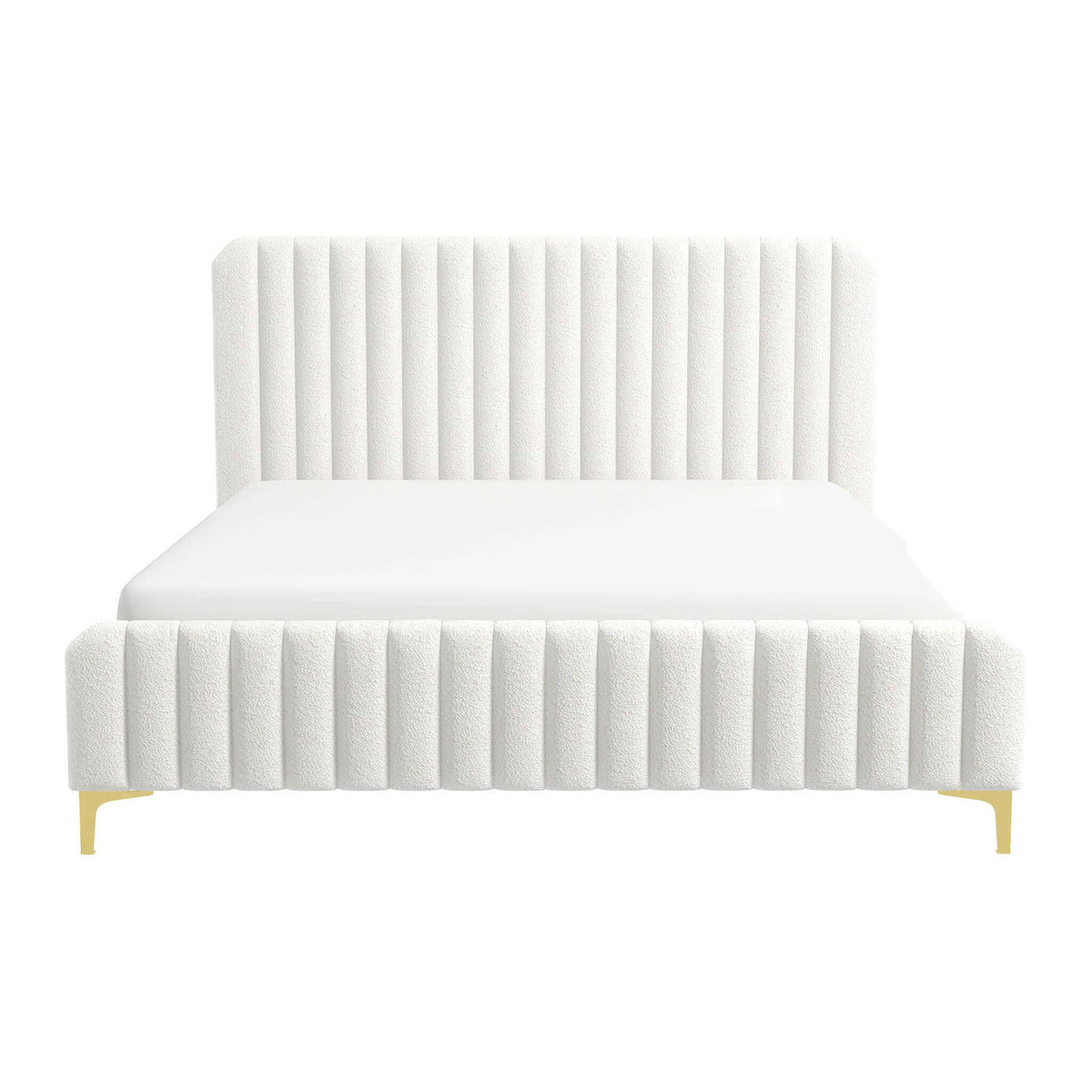
Why Bed Size Is the First Decision to Make
Before you look at headboards, upholstery, or storage features, bed size is the decision that shapes everything else in the bedroom. It determines how much floor space is left for a dresser or seating, whether nightstands will fit comfortably on either side, and how the room feels when you walk in. Here's a straightforward breakdown of standard sizes so you can shop with confidence.
Standard Bed Sizes in Inches
| Size | Mattress Dimensions (W x L) | Best For |
|---|---|---|
| Twin | 38" x 75" | Kids' rooms, single sleepers, small guest rooms |
| Twin XL | 38" x 80" | Taller sleepers, dorm-style or guest rooms |
| Full (Double) | 54" x 75" | Single sleepers who want more room, guest rooms |
| Queen | 60" x 80" | Most couples, standard primary bedrooms |
| King | 76" x 80" | Couples wanting extra width, larger primary bedrooms |
| California King | 72" x 84" | Taller sleepers, narrower but longer rooms |
Twin and Twin XL
Twin beds are the standard choice for a single child's or teen's room, and they're compact enough to leave plenty of floor space for a desk, toy storage, or play area. Twin XL adds five inches of length, which matters more than it sounds like for a growing teenager or an adult using the bed in a guest room.
Full (Double)
A full bed gives a single sleeper considerably more shoulder room than a twin, which makes it a comfortable choice for a guest room or a young adult's bedroom. It's a tighter fit for two adults long-term, but it works fine for occasional overnight guests or smaller spare rooms.
Queen Beds
The queen bed is the most common size for primary bedrooms, and for good reason — at 60 inches wide, it offers enough room for two adults to sleep comfortably without requiring a large room to fit it. A queen bed frame, plus a dresser and a couple of nightstands, generally fits in a bedroom of around 10 by 10 feet or larger. If you're outfitting a standard-size primary bedroom and aren't sure which size to pick, queen is the safe, popular default.
King Beds
A king bed adds significant width over a queen, which is especially useful for couples who like extra personal space while sleeping, or for households with kids or pets who tend to end up in bed too. The tradeoff is room size — a king bed frame needs meaningfully more floor space, generally at least 12 by 12 feet once you account for nightstands and walking room on both sides.
California King
The California king trades a few inches of width for extra length compared to a standard king, which makes it a good option for taller sleepers or for bedrooms that are narrower but longer in shape. It's a less common size, so it's worth double-checking that sheets and bedding are available in California king before committing, since standard king linens won't fit.
Matching Bed Size to Room Size
As a general guideline, leave at least 24 to 30 inches of clearance on each side of the bed for walking room, and more if the space also needs to accommodate a dresser or bench at the foot of the bed. A helpful way to check fit before buying is to tape out the bed's footprint on the bedroom floor and see how much space remains for other furniture, like nightstands or a dresser.
If your bedroom is on the smaller side, a queen with a simple, low-profile bed frame often makes the room feel more open than a king with a bulky upholstered frame, even though the mattress itself is a similar height.
Other Things to Consider
- Doorway and stairway width: larger bed frames and headboards may need to be assembled in the room rather than carried in fully built.
- Ceiling height: tall, upholstered headboards can visually shrink a room with lower ceilings.
- Storage needs: some bed frames include built-in drawers, which can help in a smaller bedroom without room for a large dresser.
- Who's sleeping in the bed: a single adult, a couple, or a family bed-sharing situation each point toward different sizes.
Upholstered vs. Platform vs. Traditional Frames
Bed size is one decision, but frame style affects how much room the bed visually takes up too. An upholstered bed with a tall, padded headboard can make a strong style statement, but it also reads as a larger piece of furniture in the room, so it's worth considering in combination with your overall size choice, especially in a smaller bedroom. A platform bed frame, which sits lower to the ground and often skips a box spring altogether, can help a room feel a bit more open, since there's less visual bulk beneath the mattress. A more traditional frame with a boxspring gives a bit more height, which some people simply find easier to get in and out of.
Planning the Rest of the Bedroom Around Bed Size
Once you've settled on a size, think about what else needs to fit in the room. A dresser, a bench at the foot of the bed, or a reading chair all compete with the bed for floor space, so it's worth sketching the room with the bed's footprint marked out before adding everything else. If space is tight, prioritize function — most bedrooms need at least a nightstand on each side of the bed more than they need a large dresser, so it's reasonable to scale down secondary furniture before scaling down the bed itself.
Shop the Look
Browse our queen beds and king beds to compare styles, or pair your new bed with a matching set of nightstands to finish the room.

Leave a comment
All comments are moderated before being published.
This site is protected by hCaptcha and the hCaptcha Privacy Policy and Terms of Service apply.