

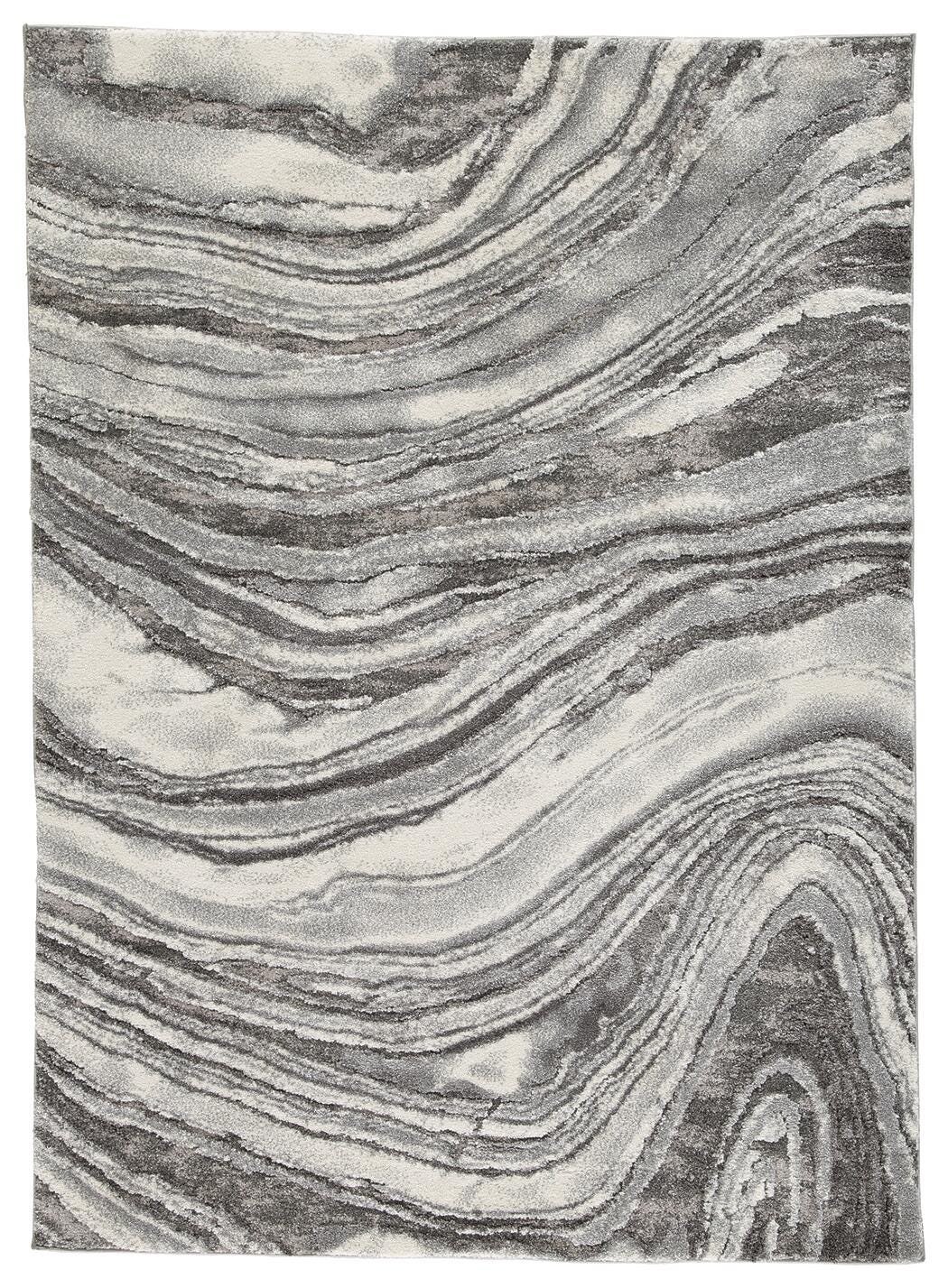
Why Rug Size Matters More Than Rug Style
It's easy to fall in love with a rug pattern or color first and worry about size later. In practice, size is the decision that makes or breaks the room. A rug that's too small floats in the middle of the space and makes furniture look disconnected. A rug that's too large can overwhelm a room or leave no floor visible at all. Getting the dimensions right is the foundation that everything else — color, texture, pattern — gets built on top of.
Before you shop, it helps to measure your room and rough out where your sofa, chairs, and coffee table will sit. Painter's tape on the floor is an old trick, but it works: outline a few candidate rug sizes and stand back to see how each one feels.
Common Living Room Sizes and Rug Sizes
Most living rooms fall into a few general categories, and rug sizing tends to follow along with them.
| Living Room Size | Typical Rug Size | Best For |
|---|---|---|
| Small (under 120 sq ft) | 5x7 or 5x8 | Apartments, cozy dens, secondary living spaces |
| Medium (120–200 sq ft) | 8x10 | Standard family rooms with a sofa and two chairs |
| Large (200+ sq ft) | 9x12 or bigger | Open-concept layouts, great rooms, larger seating groups |
5x7 and 5x8 Rugs
A 5x7 or 5x8 rug works well in smaller living rooms, or as a layering piece under just a coffee table with the seating around the edges. In a compact space, this size can anchor a seating arrangement without eating up so much floor that the room feels cramped. It's also a popular choice for bedrooms used as secondary sitting areas, or for defining a reading nook within a larger room.
8x10 Rugs
The 8x10 rug is the workhorse size for most living rooms. It's large enough that a sofa, two accent chairs, and a coffee table can all have at least their front legs resting on it, which is the detail that visually ties a seating group together. If you're unsure which size to choose and your room is a fairly standard size, 8x10 is the safest default.
9x12 and Larger Rugs
For bigger rooms, open floor plans, or spaces where the sofa sits farther from the walls, a 9x12 or larger rug keeps the proportions right. In an open-concept home, a large rug can also help define the living area as separate from the dining or kitchen zone, even without walls to mark the boundary.
The Furniture Placement Rule
Once you know the general size range, the next question is how the furniture should sit on it. There are three common approaches, and which one you choose usually comes down to room size and how much floor you want to show.
- All legs on the rug: Every piece of seating sits fully on the rug. This look feels the most grounded and works best in larger rooms with a bigger rug.
- Front legs on the rug: The front legs of the sofa and chairs rest on the rug while the back legs sit on the floor. This is the most common approach for 8x10 rugs in mid-size rooms, since it ties the furniture together without requiring an oversized rug.
- Floating rug: The rug sits under the coffee table only, with all seating around the perimeter. This works in smaller rooms, though it can feel a bit disconnected if the rug is undersized for the space.
As a rule of thumb, try to leave a consistent border of bare floor between the rug's edge and the walls — commonly somewhere in the 12 to 24 inch range, depending on the room. A rug pushed right up against the walls, wall-to-wall style, is a different look entirely and usually calls for a much larger custom size.
Measuring Your Space the Right Way
Start by measuring the full room, then subtract space for walkways, doorways, and any furniture that won't be part of the seating group, like a media console or bookshelf. Sketch out where the sofa and chairs will go and measure the footprint of that arrangement — that's the number to compare against rug dimensions, not the size of the room as a whole.
Pay attention to the coffee table too. If you're using a round coffee table, a rectangular rug can still work, but a round rug sometimes echoes the shape more naturally and keeps the layout feeling intentional rather than accidental.
Special Cases: Runners and Layered Rugs
Not every space calls for one large rug. A runner rug can work well along a narrow hallway leading into the living room, in front of a media console, or as a way to define a walkway through an open floor plan. Layering a smaller patterned rug over a larger neutral one is another approach some homeowners use to add texture without committing to a bold rug across the entire floor.
A Quick Checklist Before You Buy
- Measure the seating area, not just the room.
- Decide whether you want all legs, front legs, or a floating layout.
- Leave a visible border of floor around the rug's edges.
- Consider the shape of your coffee table alongside the rug shape.
- When in doubt between two sizes, size up rather than down.
Shop the Look
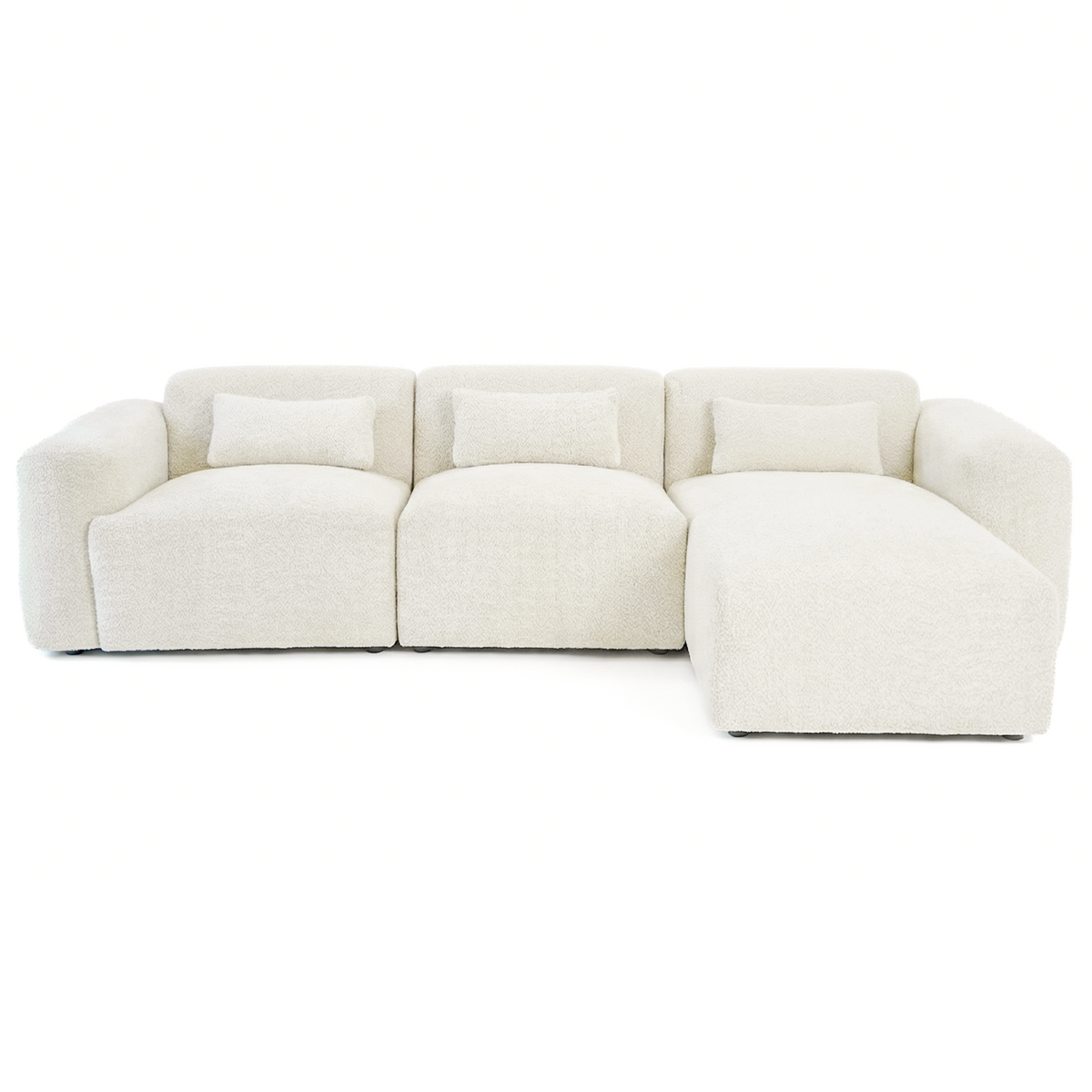
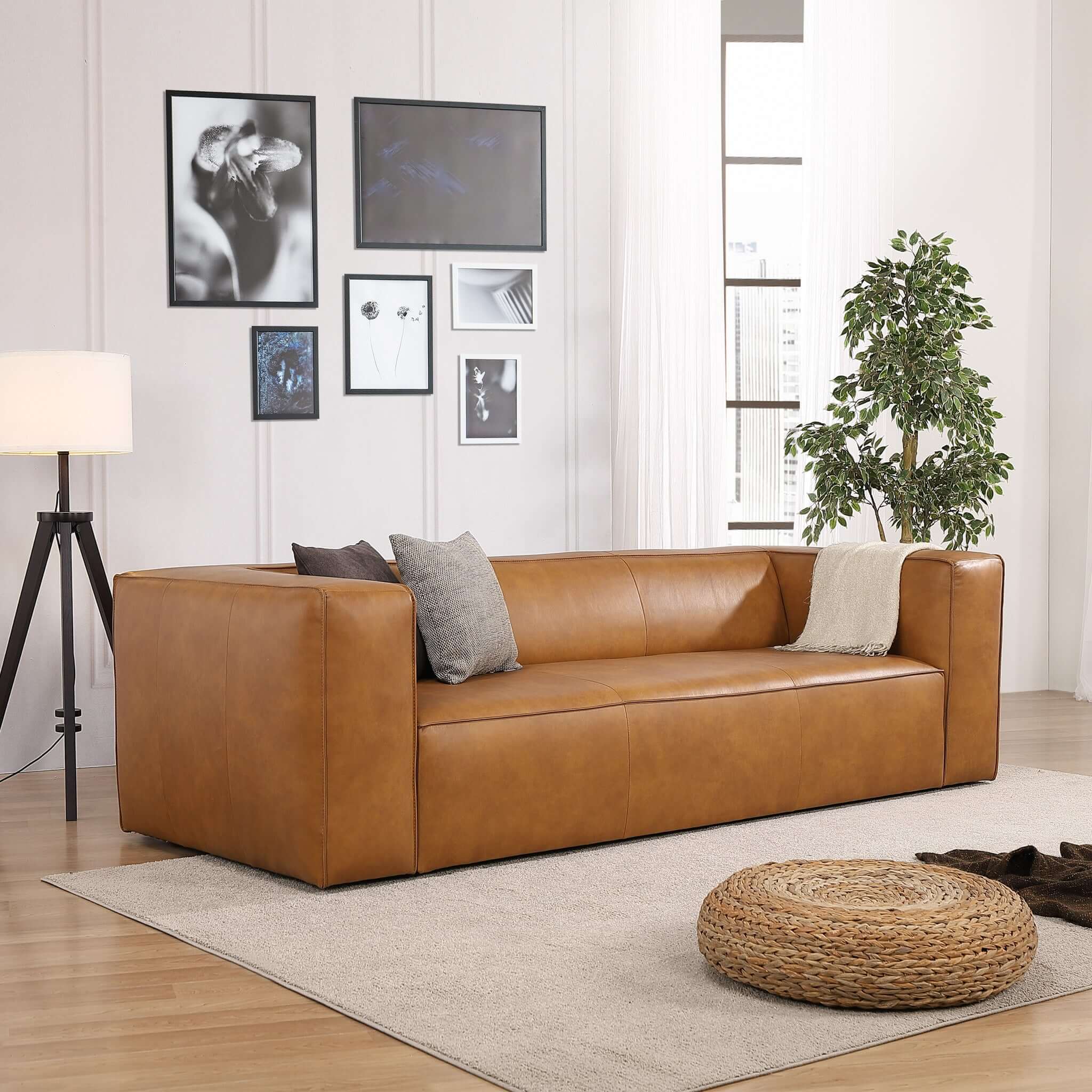
Once you've settled on a size, browse our 8x10 area rugs and 5x7 and 5x8 rugs for options in a range of colors and textures, or check out our living room furniture to plan the rest of the space around it.


Leave a comment
All comments are moderated before being published.
This site is protected by hCaptcha and the hCaptcha Privacy Policy and Terms of Service apply.